Optimal Timing for Fence Removal
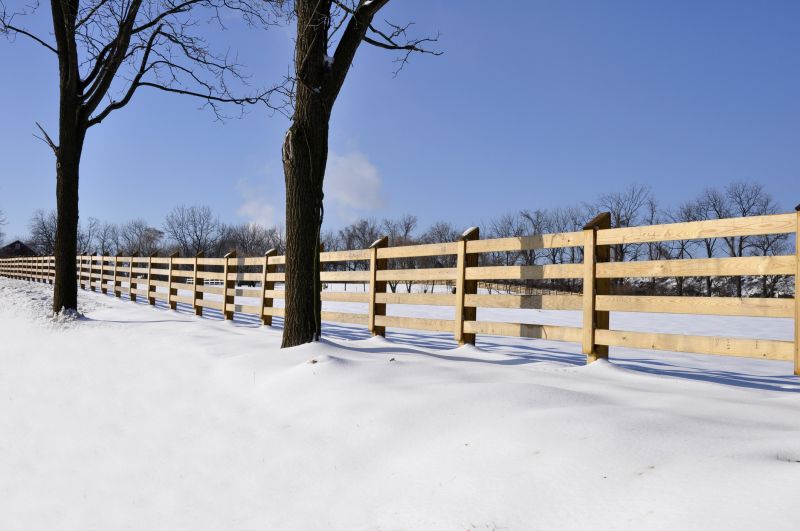
Spring offers moderate temperatures and less foliage, making fence removal easier and less disruptive.

Summer provides longer daylight hours, but higher temperatures can impact the ease of removal and safety considerations.
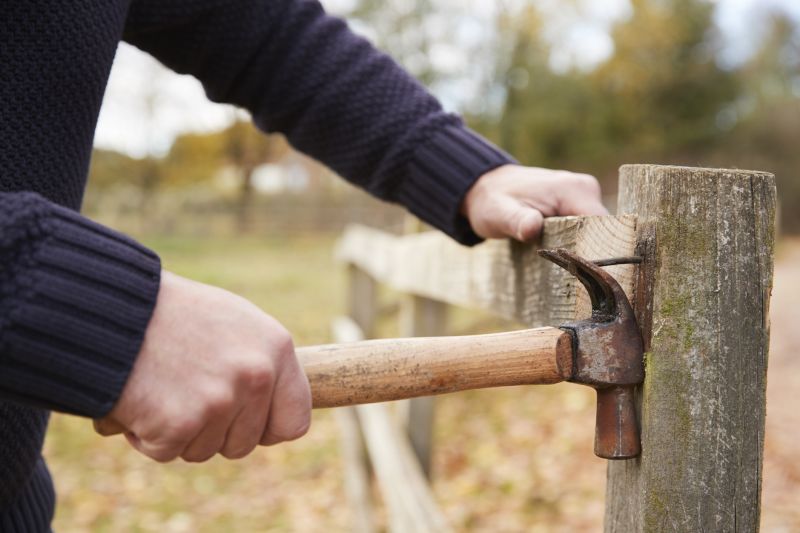
Fall's cooler weather and dry conditions make it an optimal time for fence removal projects.

Ways to make Wood Fence Removals work in tight or awkward layouts.
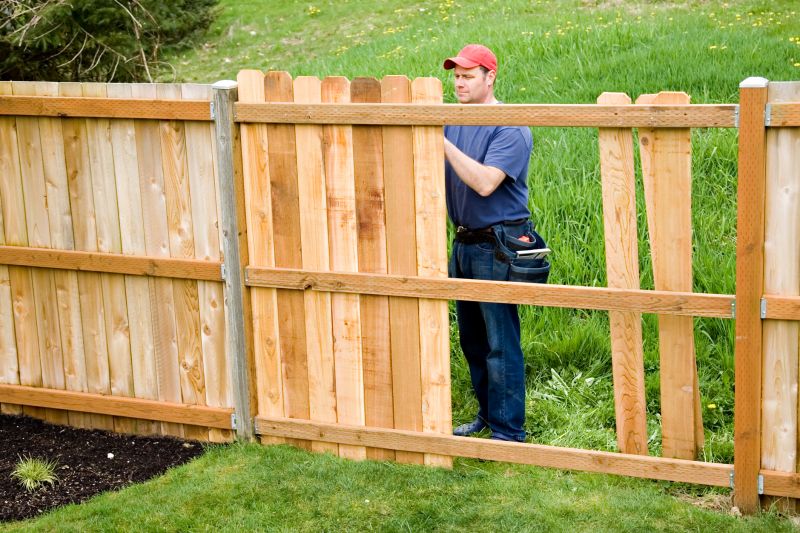
Popular materials for Wood Fence Removals and why they hold up over time.

Simple add-ons that improve Wood Fence Removals without blowing the budget.
High-end options that actually feel worth it for Wood Fence Removals.
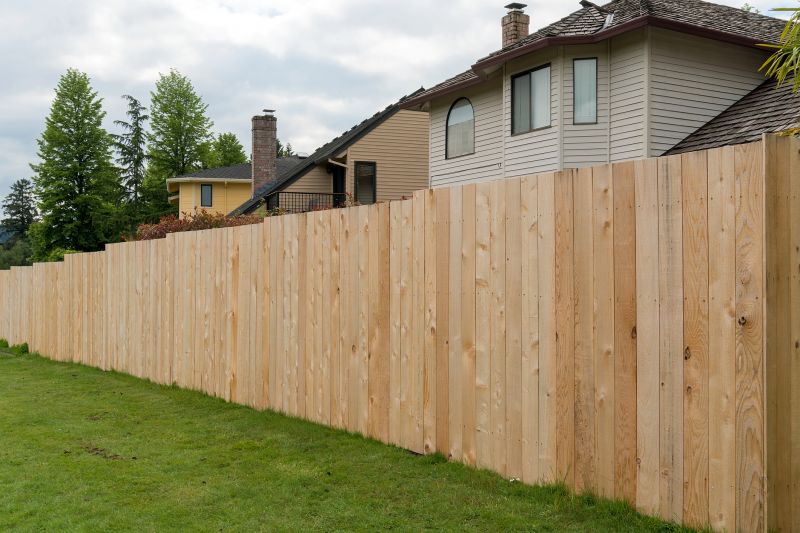
Finishes and colors that play nicely with Wood Fence Removals.
Statistics indicate that most fence removals occur during the spring and fall, aligning with favorable weather conditions and homeowner schedules. Planning removals during these periods can minimize delays caused by weather disruptions and ensure safer, more efficient work. Additionally, removing fences during dry seasons reduces the risk of soil erosion and damage to surrounding landscape.
Dry, mild weather facilitates easier removal and reduces the risk of complications.
Timing removals when plants are dormant minimizes landscape disturbance.
Aligning removal with home improvement plans can streamline project workflows.
Avoiding removal during heavy rain or snow prevents soil compaction and erosion.
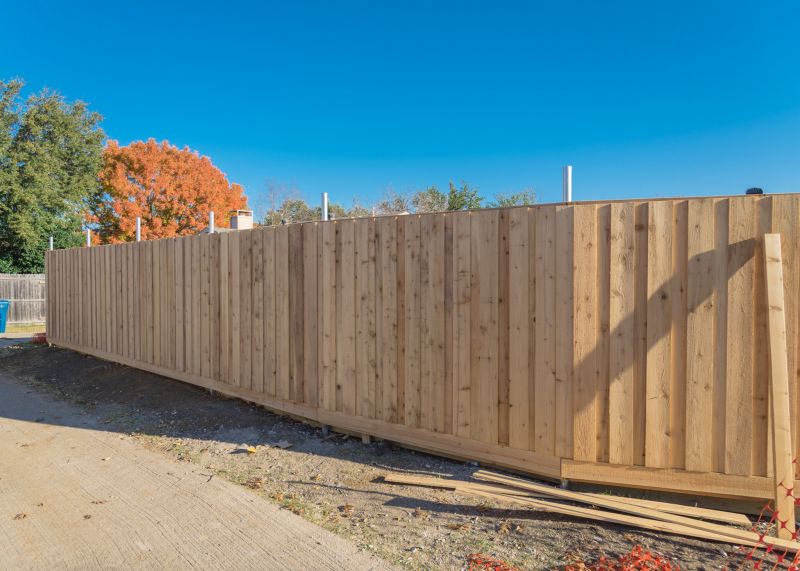
Little measurements that prevent headaches on Wood Fence Removals day.
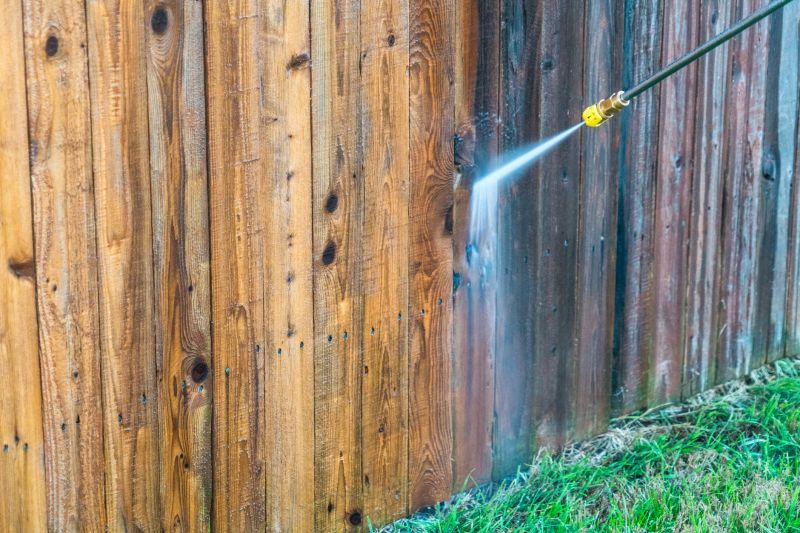
A 60-second routine that keeps Wood Fence Removals looking new.
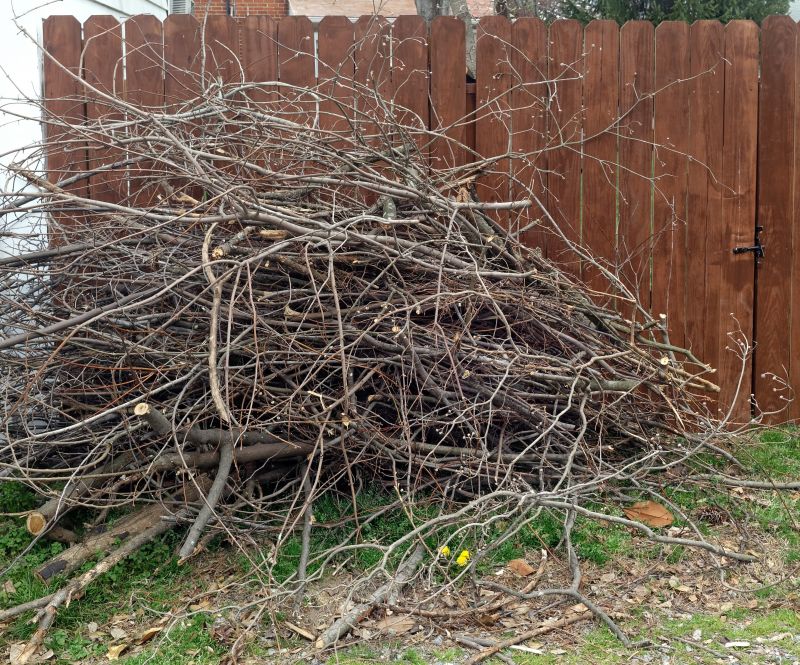
A frequent mistake in Wood Fence Removals and how to dodge it.

Small tweaks to make Wood Fence Removals safer and easier to use.
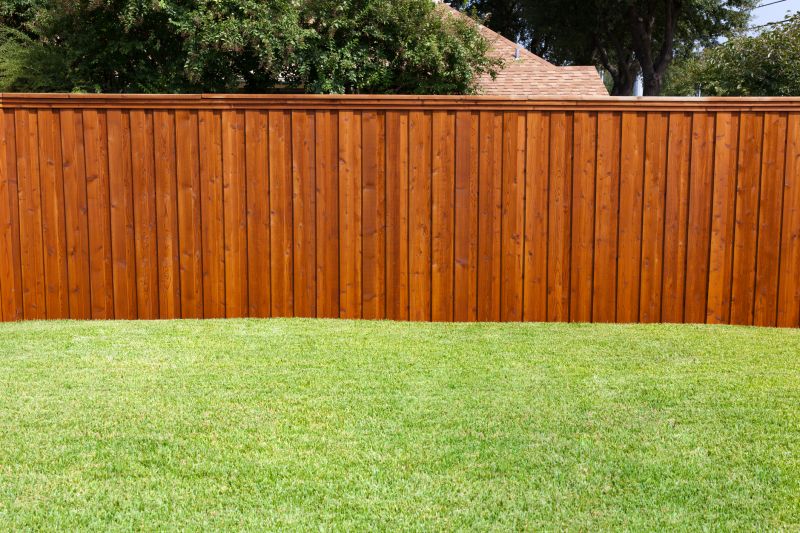
Lower-waste or water-saving choices for Wood Fence Removals.
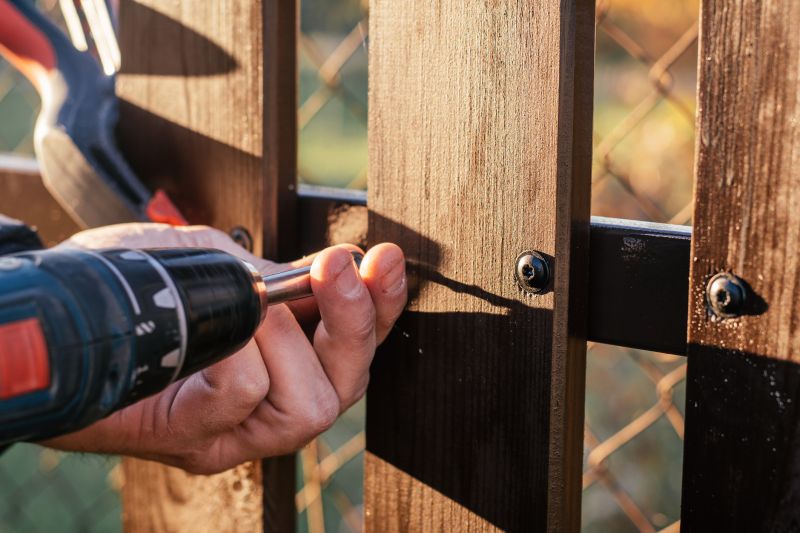
The short, realistic tool list for quality Wood Fence Removals.
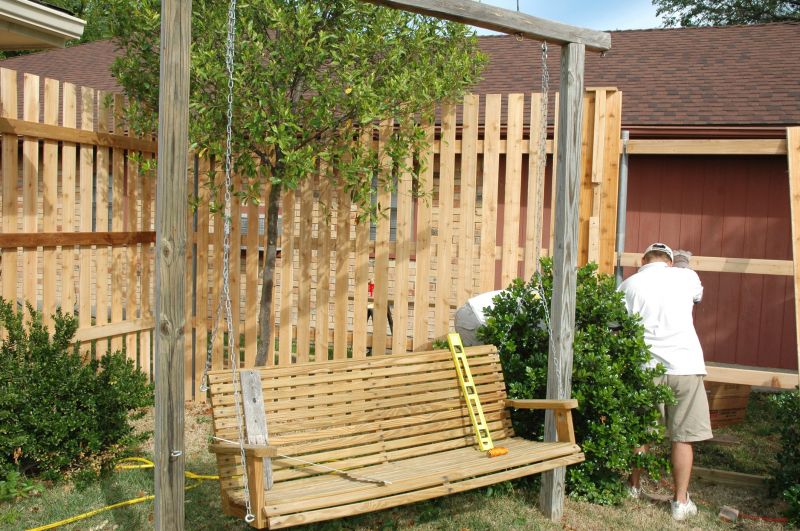
Rough timing from prep to clean-up for Wood Fence Removals.
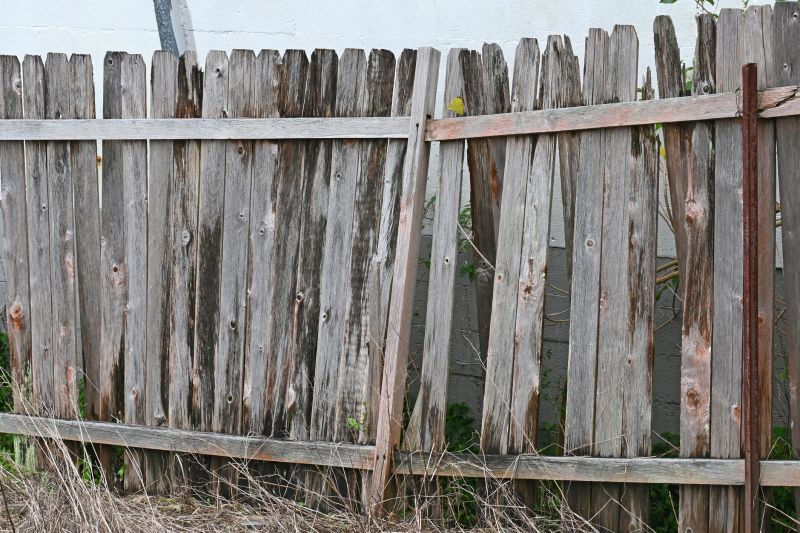
Quick checks and paperwork to keep after Wood Fence Removals.
| Season | Advantages |
|---|---|
| Spring | Moderate temperatures and less foliage ease removal. |
| Summer | Long daylight hours allow for extended work periods. |
| Fall | Cool and dry conditions are ideal for fence removal. |
| Winter | Less common due to cold weather and potential snow. |
Choosing the optimal time for wood fence removal depends on local climate, weather forecasts, and project goals. Spring and fall generally provide the most favorable conditions, reducing delays and potential complications. Proper planning ensures the removal process is efficient and minimizes disruption to surrounding landscape and property features.
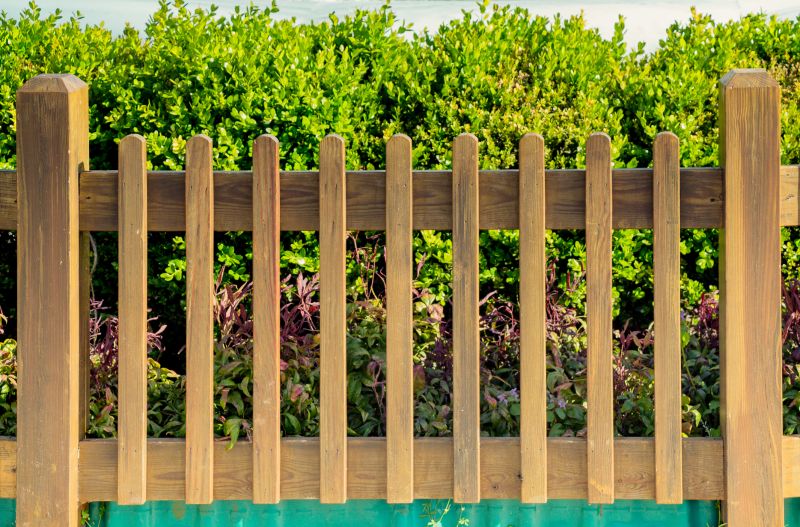
Careful extraction prevents damage to adjacent structures.
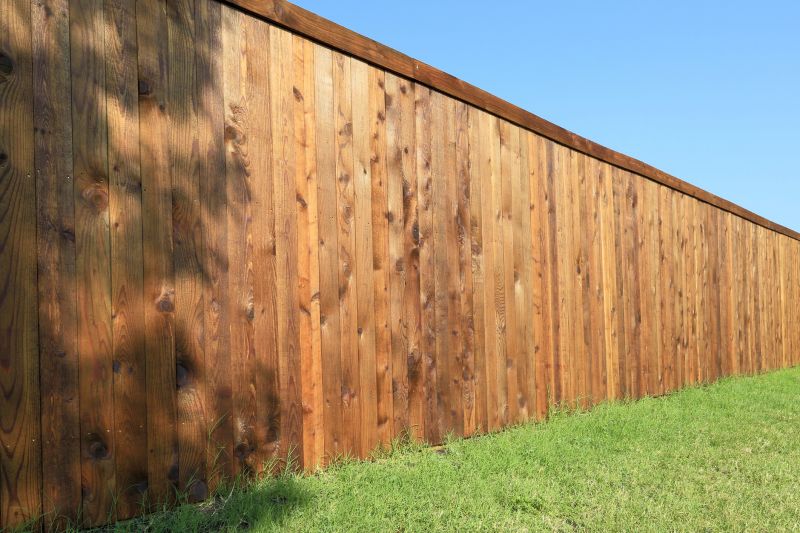
Systematic removal speeds up the process and reduces waste.
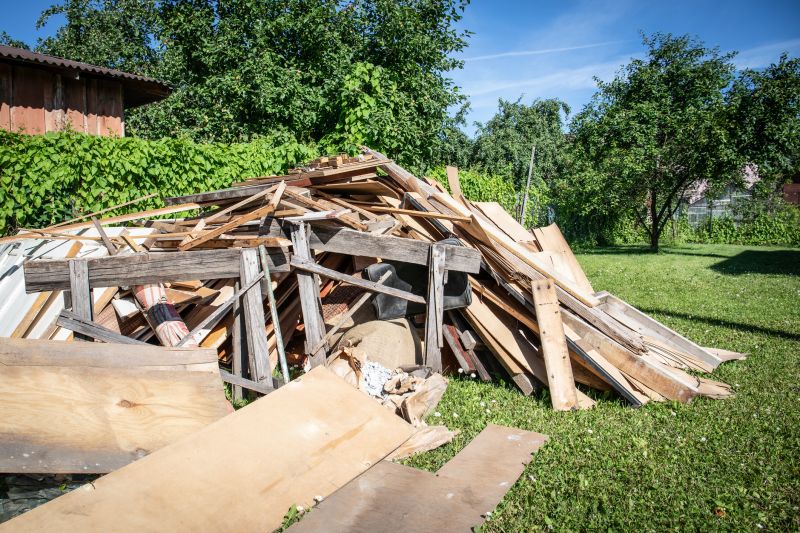
Proper disposal of old wood and materials maintains site cleanliness.

Clearance and groundwork are essential for successful replacement.
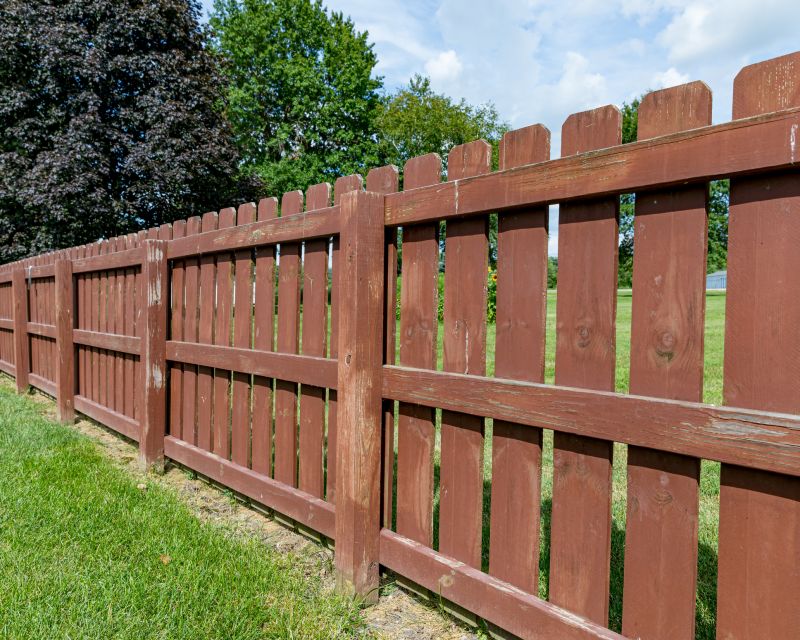
Examples that show the impact a good Wood Fence Removals can make.
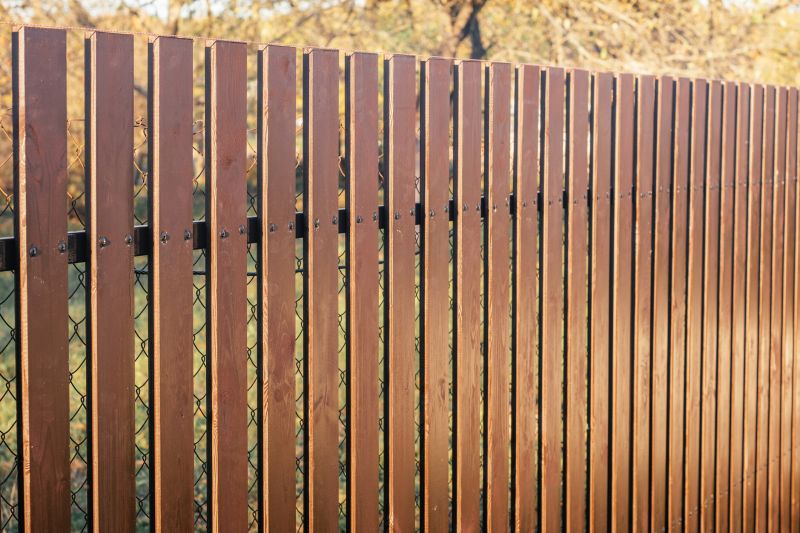
Ways to make Wood Fence Removals work in tight or awkward layouts.
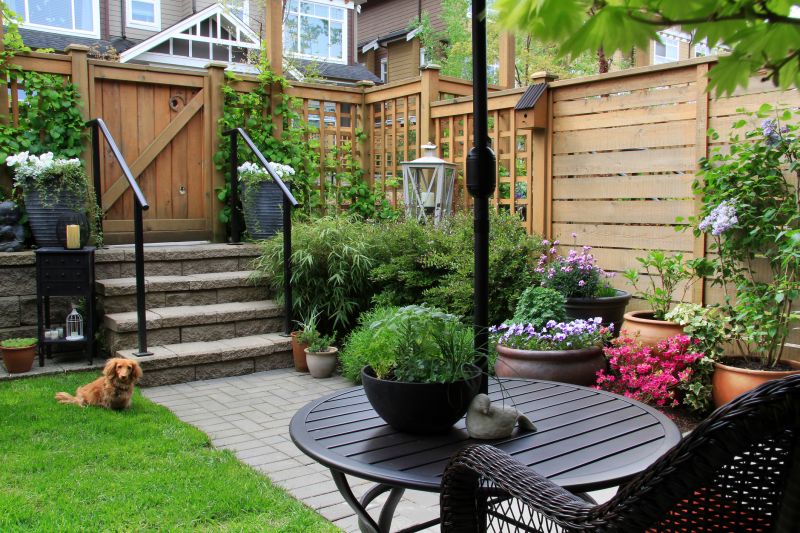
Ways to make Wood Fence Removals work in tight or awkward layouts.
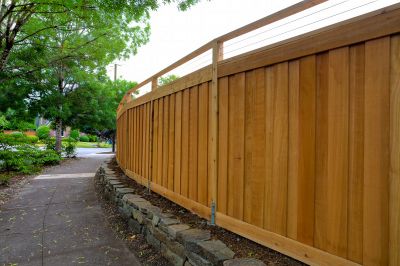
Ways to make Wood Fence Removals work in tight or awkward layouts.
Interested property owners can consider scheduling fence removals during the most suitable seasons to ensure a smooth process. Proper timing combined with professional assistance can lead to more efficient project completion and better results.