Get Disability Ramp Repair
Disability ramp repair services help property owners fix or upgrade ramps to improve accessibility and safety for individuals with mobility challenges.
If you are considering disability ramp repairs, you are in the right place to explore your options. Properly maintained ramps are essential for ensuring safe and accessible entry to properties, whether for residential or commercial spaces. Property owners in the area may look into repair services to improve safety, comply with accessibility needs, or prevent further damage that could lead to more extensive work down the line. Keeping your ramps in good condition helps support independence and provides peace of mind for those relying on accessible access.
This site helps connect property owners with local contractors experienced in disability ramp repair projects. Comparing different service providers can assist in planning your project effectively and finding the right fit for your specific needs. Keep reading to discover how local experts can help maintain or restore accessible entryways, ensuring they meet safety standards and functional requirements.
- Wheelchair Ramp Repairs - needed when existing ramps become damaged, unstable, or unsafe for wheelchair users.
- Threshold Ramp Installation - required to improve accessibility at doorways that have high or uneven thresholds.
- Commercial Ramp Restoration - necessary for businesses to ensure compliance and safe access for all visitors.
- Residential Ramp Fixes - appropriate when home ramps are showing signs of wear, cracks, or structural issues.
- Custom Ramp Modifications - sought when existing ramps need adjustments to better accommodate specific mobility needs.
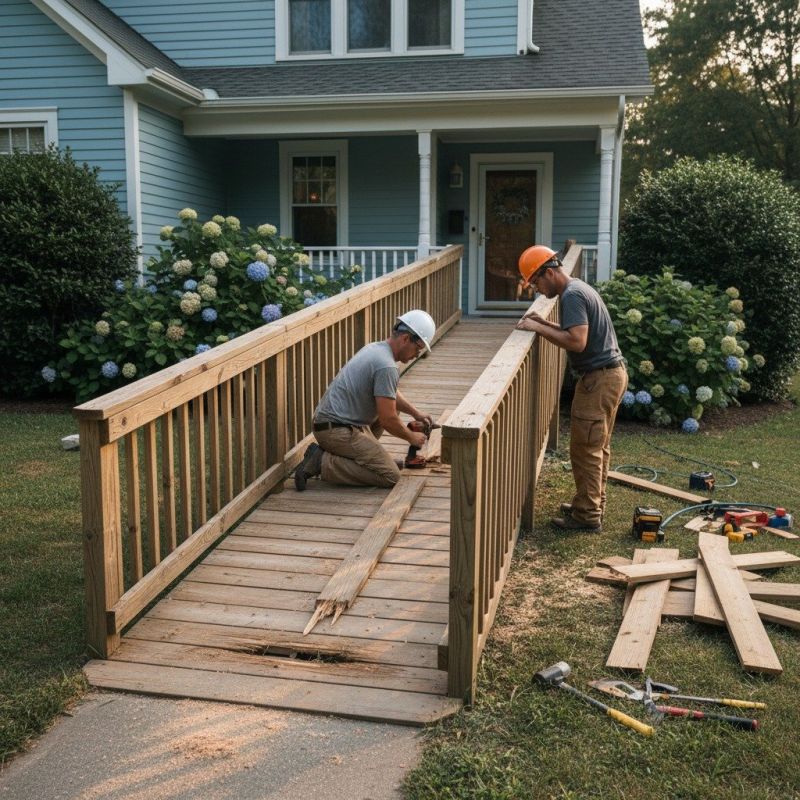
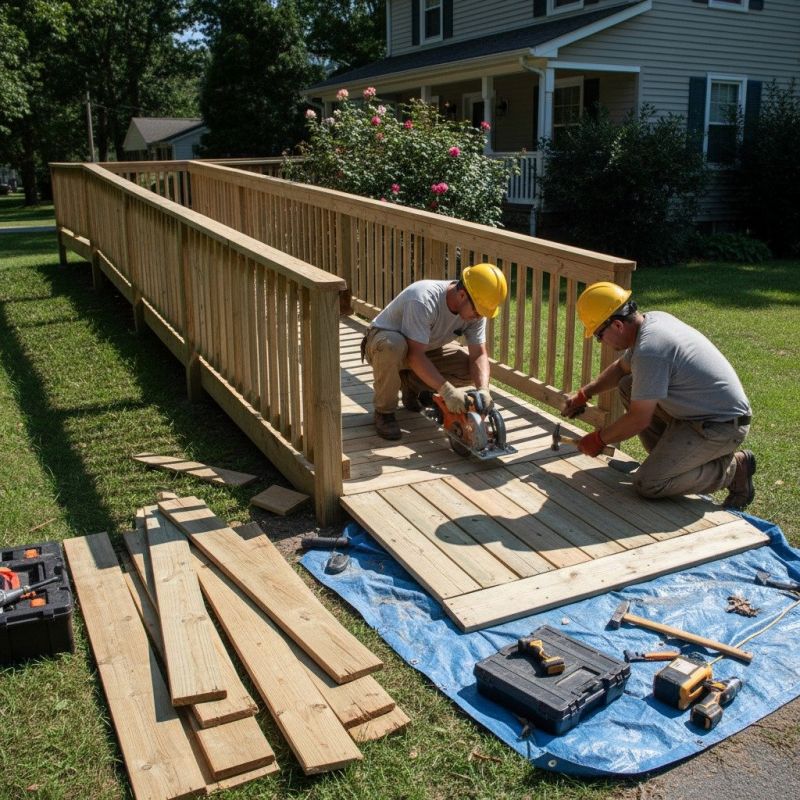
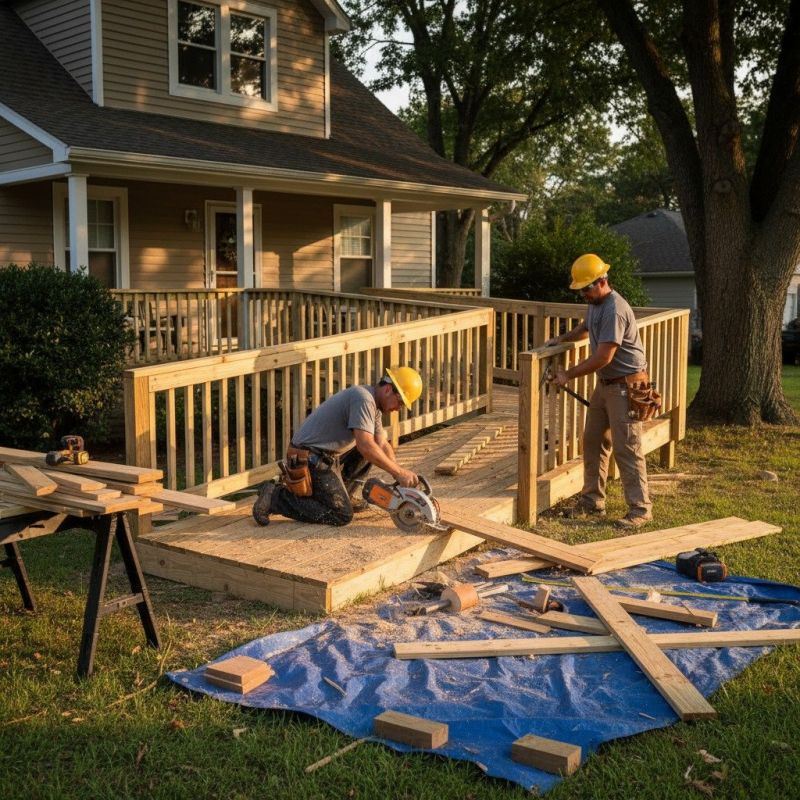
Disability ramp repair services involve fixing or upgrading existing ramps to ensure they are safe, functional, and accessible for individuals with mobility challenges. These repairs may include replacing worn or damaged boards, reinforcing support structures, adjusting the slope for proper compliance, or adding non-slip surfaces. The goal is to restore the ramp’s stability and safety, making it easier for users to enter and exit a property without obstacles or hazards. Service providers focus on creating a reliable pathway that meets accessibility needs while maintaining the property’s appearance and structural integrity.
Many issues can make a ramp unsafe or unusable, prompting the need for repair services. Common problems include rotting wood, rusted or broken supports, uneven surfaces, or loose handrails. Weather exposure and regular use can accelerate wear, leading to potential safety risks like tripping or collapse. Repairing these issues promptly helps prevent accidents and ensures continued access for those who rely on ramps for daily mobility. Local contractors can assess the condition of existing ramps and recommend appropriate repairs to maintain safety and compliance.
Disability ramp repair services are often utilized in residential properties, such as single-family homes and apartment complexes, where accessibility is a priority for residents with mobility impairments. They are also common in commercial properties, including retail stores, offices, and healthcare facilities, which need to accommodate visitors or employees with disabilities. Additionally, community centers, schools, and public buildings may require ramp repairs to meet accessibility standards and provide equitable access to all visitors. These services help property owners maintain compliance and support inclusivity for individuals with mobility challenges.
Homeowners and property managers might seek disability ramp repair services when noticing signs of deterioration or after an incident that damages the ramp. Recognizing when a ramp is no longer safe or functional is crucial to preventing accidents and ensuring ongoing accessibility. Local service providers can evaluate the condition of existing ramps and perform necessary repairs to extend their lifespan and improve safety. Contacting experienced contractors ensures that repairs are handled efficiently and effectively, helping properties remain accessible and compliant with relevant standards.
The overview below groups typical Disability Ramp Repair projects into broad ranges so you can see how smaller, mid-sized, and larger jobs often compare in your area.
In many markets, a large share of routine jobs stays in the lower and middle ranges, while only a smaller percentage of projects moves into the highest bands when the work is more complex or site conditions are harder than average.
Smaller Repairs - Typical costs for minor ramp repairs, such as fixing handrails or patching small sections, generally range from $250-$600. Many routine jobs fall within this middle range, depending on the scope of work and materials needed.
Moderate Repairs - Mid-sized projects, including replacing sections of the ramp or upgrading surfaces, often cost between $600-$2,000. These projects are common and usually involve more extensive work but remain manageable for most local contractors.
Major Repairs - Larger, more complex repairs like structural reinforcement or extensive surface overhaul can range from $2,000-$5,000. Fewer projects reach these higher tiers, typically involving significant modifications or extensive damage.
Full Replacement - Complete ramp replacements or major rebuilds tend to cost $5,000 or more, depending on size and customization. Such projects are less frequent and usually involve significant planning and higher material costs.
Actual totals will depend on details like access to the work area, the scope of the project, and the materials selected, so use these as general starting points rather than exact figures.
Wheelchair Ramp Installation - local contractors skilled in building accessible ramps often handle projects that require precise planning and materials similar to disability ramp repairs.
Handrail and Support Bar Installation - professionals experienced in installing sturdy handrails and support bars for accessibility are well-versed in safety standards comparable to ramp modifications.
Concrete Repair and Resurfacing - local service providers who repair and resurface concrete surfaces can often assist with fixing damaged or uneven ramp surfaces.
Stairlift and Lift Installation - specialists in installing mobility lifts and stairlifts share skills in planning and executing accessibility solutions similar to ramp repairs.
Doorway and Threshold Modifications - contractors familiar with modifying doorways and thresholds to improve accessibility often work on projects related to ramp adjustments.
Outdoor Accessibility Improvements - local pros experienced in making exterior spaces accessible can handle a variety of projects including ramp repairs and related modifications.
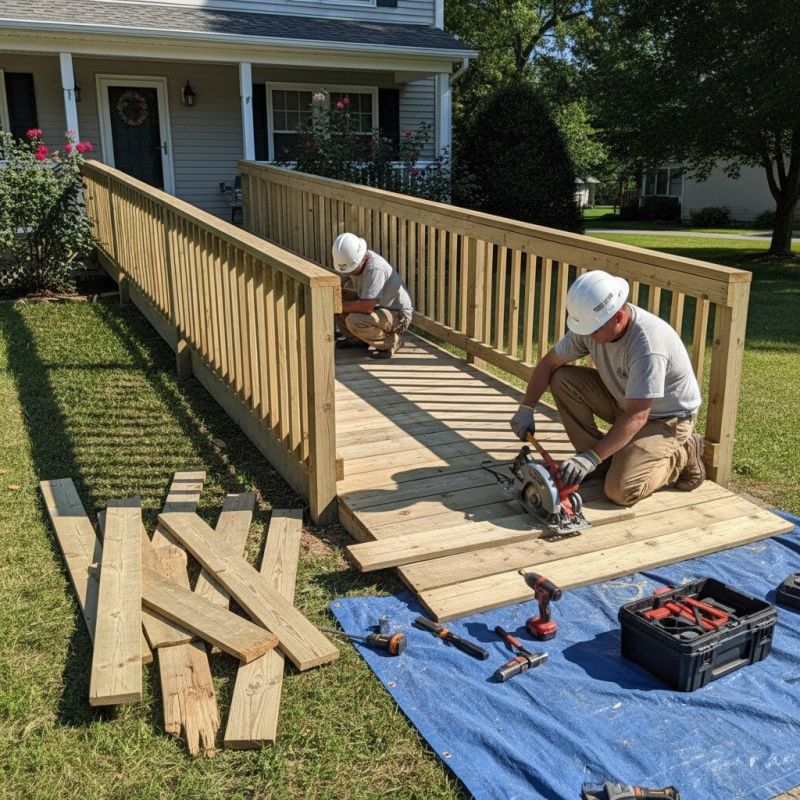
When evaluating service providers for disability ramp repairs, it’s important to consider their experience with similar projects. Homeowners should inquire about the types of ramps or accessibility modifications the contractors have handled in the past. A contractor with a proven track record working on projects comparable in scope and complexity can offer greater confidence in their ability to meet specific needs. Checking whether they have successfully completed similar work can help ensure that they understand the unique requirements involved in accessibility modifications.
Clear, written expectations are essential to a smooth repair process. Homeowners should seek detailed descriptions of the services provided, including the scope of work, materials used, and any warranties or guarantees offered. Having this information in writing helps prevent misunderstandings and provides a reference point throughout the project. It’s also beneficial to review any estimates or proposals carefully to ensure they align with what is needed, fostering transparency and clarity from the outset.
Reputable references and good communication are key indicators of a dependable service provider. Homeowners are encouraged to ask for references from previous clients who had similar work done, to gain insights into the contractor’s professionalism, reliability, and quality of work. Additionally, a contractor’s responsiveness and willingness to answer questions can reflect their level of customer service and commitment to client satisfaction. Connecting with local service providers who prioritize clear communication and have positive references can help ensure the project proceeds smoothly and meets expectations.
Property owners use Disability Ramp Repair services for practical projects around their homes and businesses. This guide focuses on everyday jobs and straightforward project options.
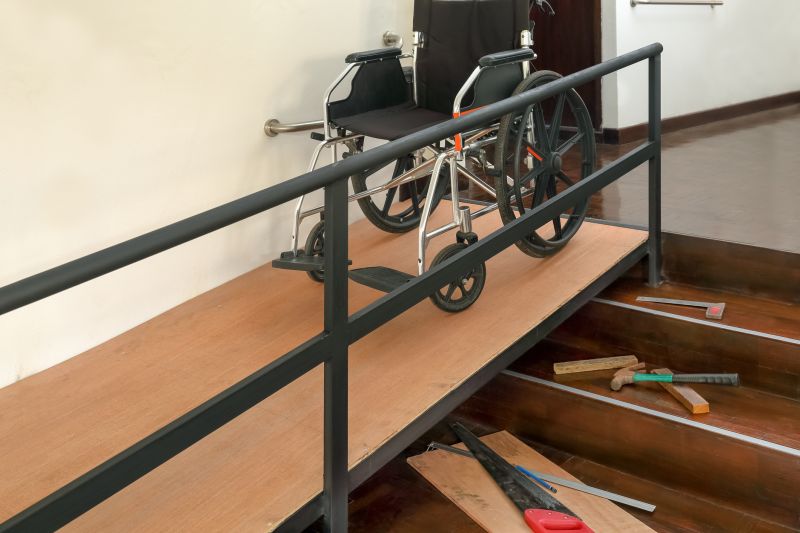
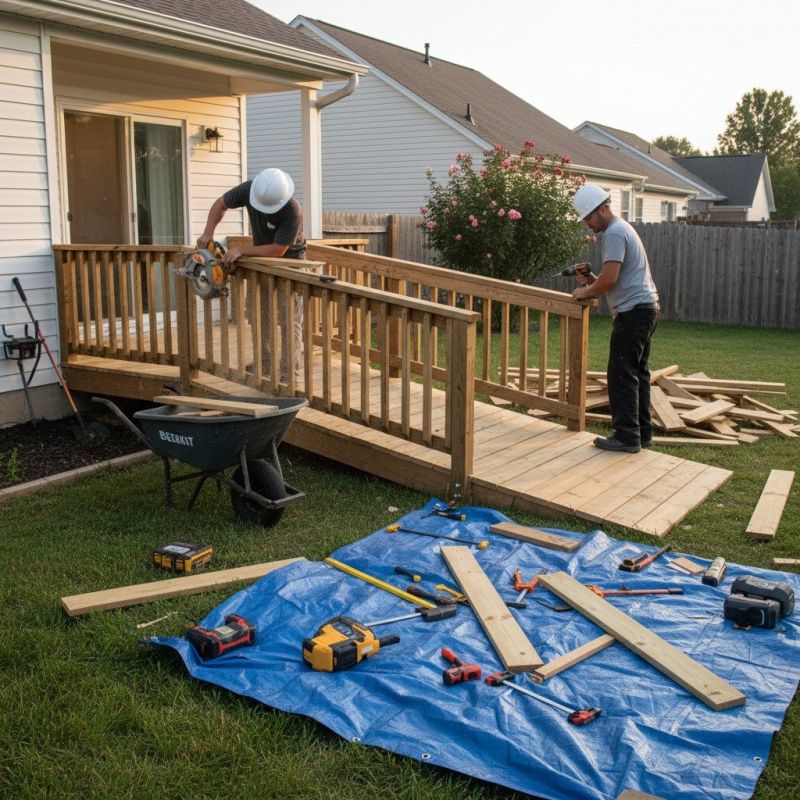
Disability ramp repair services are often needed when existing ramps become damaged, worn, or no longer meet accessibility requirements. Property owners might seek these services after noticing issues such as loose handrails, uneven surfaces, or structural instability that could pose safety risks. Whether for residential homes, apartment complexes, or commercial buildings, local contractors can help restore ramps to proper condition, ensuring safe and easy access for visitors, residents, or employees.
In many cases, property owners look for ramp repair solutions to accommodate changing needs or to comply with accessibility standards. Damaged or outdated ramps can hinder mobility and create barriers for individuals with disabilities. Local service providers are equipped to handle repairs that improve stability, appearance, and functionality, making sure that properties remain accessible and welcoming for everyone.
What types of disability ramps do local contractors repair? Local service providers typically repair various types of disability ramps, including portable, modular, and permanent wheelchair ramps, to ensure accessibility needs are met.
How can I determine if my disability ramp needs repair? Signs that a ramp may need repair include loose handrails, unstable surfaces, cracks, or difficulty in safely supporting weight, which local contractors can assess during an inspection.
Are there specific safety standards that repair services follow? While specific standards may vary, local pros aim to ensure ramps are stable and secure, adhering to general safety practices to promote safe access.
What common issues do disability ramp repairs address? Repairs often focus on fixing structural damage, replacing worn-out components, reinforcing support structures, and ensuring proper slope and surface conditions.
How do local contractors ensure the repaired ramp is accessible? Contractors evaluate the ramp’s design and condition to restore proper slope, surface stability, and handrail functionality, ensuring it meets accessibility requirements.
Accessibility Improvements - Installing a properly repaired ramp can make entrances more accessible for wheelchair users or those with mobility challenges. Local contractors can help ensure the ramp meets practical needs for daily access.
Home Renovation Projects - Upgrading or replacing existing ramps during home improvements can enhance safety and usability for family members or visitors with disabilities. Service providers can assist in creating durable, functional solutions.
Business Accessibility Compliance - Ensuring commercial entrances have safe, reliable ramps supports compliance with accessibility standards and welcomes all customers comfortably. Local pros can handle repairs that meet practical business needs.
Senior Living Accessibility - Repairing or installing ramps can help seniors navigate their homes more easily, supporting independence and safety in everyday activities. Local contractors can provide solutions tailored to specific living situations.
If you are thinking about Disability Ramp Repair for a property, this guide is meant to help you understand the work, the typical project types, and how different options might fit your plans.
When you are ready, you can use the quote form on this page to share a few details about your project. From there, local pros can review the basics and respond with options that match what you have in mind.